The Joyful Kitchen: Cooking Your Way to Wellness
Embracing a lifestyle centered around healthy eating fundamentally starts in the kitchen, transforming the act of cooking from a routine chore into a creative, enjoyable, and deeply impactful act of self-care.
Many people mistakenly believe that nutritious food must necessarily be bland, complicated, or expensive, an unfortunate misconception that often steers them toward quick, processed, and ultimately unhealthy meal choices.
However, the truth is that preparing simple, whole-food-based recipes allows you to take complete control over every ingredient, ensuring you eliminate harmful additives, excess sodium, and unnecessary sugars from your diet entirely.
Learning to master a few basic, versatile recipes is the indispensable skill that underpins long-term dietary success, making healthy options the easy and delicious default rather than a constant, arduous struggle.
When you prioritize fresh, vibrant ingredients and understand how to combine them effectively, the taste and satisfaction derived from your home-cooked meals easily surpass anything found in packaged goods or fast-food establishments.
Therefore, viewing your kitchen as a culinary laboratory for wellness empowers you to consistently fuel your body with the clean, nutrient-dense materials it needs to thrive and maintain peak energy.
Pillar One: Essential Breakfasts for Lasting Energy
Starting your day with a balanced, nutrient-rich meal is crucial for regulating blood sugar, boosting metabolism, and ensuring sustained focus until lunchtime.
A. The Power Bowl: Overnight Oats
Overnight oats are a perfect example of a meal that is both incredibly quick to prepare and exceptionally nutritious.
You simply combine rolled oats, milk (dairy or non-dairy), and chia seeds in a jar the night before.
Chia seeds add essential Omega-3 fatty acids and significant soluble fiber to the mixture.
In the morning, the oats are soft and ready to eat, requiring absolutely no cooking time.
You can customize the flavor endlessly with toppings like fresh berries, sliced almonds, or a sprinkle of cinnamon.
This meal provides sustained, slow-release energy, preventing the typical mid-morning energy crash caused by sugary cereals.
B. High-Protein Scramble
A simple vegetable scramble provides a fantastic dose of high-quality protein and necessary micronutrients.
Start by sautéing colorful vegetables such as chopped bell peppers, spinach, and onions in a little olive oil.
Whisk two or three whole eggs or use egg whites for a lower-fat option and pour them over the vegetables.
Adding a sprinkle of turmeric introduces a powerful anti-inflammatory compound into your breakfast.
This meal supports muscle maintenance and keeps you feeling satisfied for hours due to its high protein content.
Pair the scramble with a slice of whole-wheat toast or half an avocado for healthy carbohydrates and fats.
C. Green Smoothie Kickstart
A well-constructed green smoothie is an excellent way to pack a massive amount of vegetables and fruit into one quick meal.
Always include a base of leafy greens, such as spinach or kale, whose flavor is easily masked by fruit.
Use a source of healthy fat, like a spoonful of peanut butter or avocado, to aid in nutrient absorption.
Add a scoop of protein powder—whey, casein, or plant-based—to ensure the smoothie is a complete meal, not just a sugary snack.
Blending frozen fruit helps create a thicker, more satisfying texture similar to a milkshake.
Smoothies offer a fast and easy way to consume many servings of nutrient-dense produce first thing in the morning.
Pillar Two: Satisfying and Simple Lunches
Lunch should be fuel that keeps your focus sharp and your energy high, requiring recipes that are easy to prepare in advance and transport to work or school.
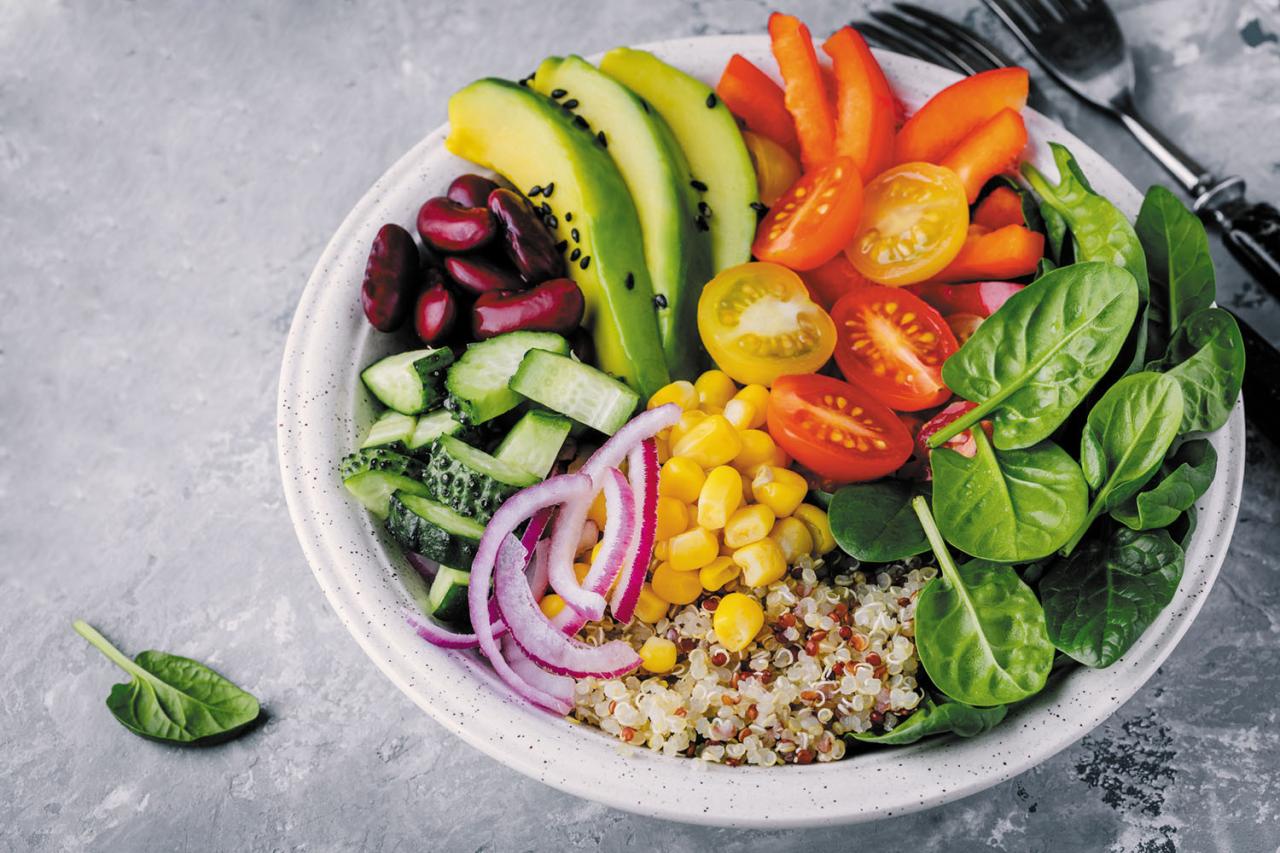
A. Quinoa and Black Bean Salad
A quinoa and black bean salad is a complete meal that is rich in fiber, protein, and complex carbohydrates.
Quinoa serves as the perfect gluten-free, protein-rich grain base for the salad.
Mix the cooked quinoa with black beans, corn, diced red onion, and chopped cilantro for vibrant flavor.
The dressing should be light, made from olive oil, lime juice, and a dash of chili powder for a tangy kick.
This recipe holds up wonderfully for several days in the refrigerator, making it an ideal choice for meal prepping.
Its high fiber content promotes digestive health and sustains energy throughout the long afternoon hours.
B. Turkey and Veggie Wraps
Simple turkey and veggie wraps are a great way to control portion sizes and incorporate lean protein.
Choose whole-wheat tortillas or lettuce wraps as a lower-carbohydrate alternative base.
Spread a thin layer of hummus or mustard instead of relying on high-fat mayonnaise.
Fill the wrap with slices of lean turkey or chicken breast, ensuring adequate protein intake.
Stuff the wraps generously with crunchy vegetables like shredded carrots, cucumber sticks, and colorful bell peppers.
These are quick to assemble in the morning and provide a light yet highly satisfying midday meal option.
C. Lentil Soup for Sustained Warmth
A hearty lentil soup provides warmth and an enormous amount of plant-based protein and iron.
Lentils are remarkably inexpensive and are a nutritional powerhouse, making them a budget-friendly choice.
Sauté aromatic vegetables like carrots, celery, and onions before adding the lentils and vegetable broth.
This soup freezes extremely well, allowing you to batch-cook a large quantity for numerous future lunches.
Seasoning it with bay leaves, thyme, and a hint of vinegar brings out the deep, savory flavors beautifully.
It is an excellent, comforting meal that is easy on the digestive system while being very filling.
Pillar Three: Wholesome and Easy Dinners
:max_bytes(150000):strip_icc()/article_291139_the-top-10-healthiest-foods-for-kids_-02-4b745e57928c4786a61b47d8ba920058.jpg)
Dinner recipes should balance nutrition with ease of preparation, ensuring you can relax and refuel without spending hours tied to the stove after a long day.
A. Baked Salmon with Roasted Asparagus
Baked salmon is an incredibly healthy source of protein and essential Omega-3 fatty acids.
Omega-3s are vital for heart health, brain function, and reducing systemic inflammation throughout the body.
Simply season the salmon fillet with lemon juice, a little garlic, and some dried dill before baking quickly.
Roasting asparagus alongside the salmon makes for a perfectly timed, easy, and nutritious side dish.
Roasting vegetables brings out their natural sweetness and creates a pleasing, slightly crisp texture.
This recipe is impressively fast, often requiring less than twenty minutes from start to plate.
B. Chicken Stir-Fry with Brown Rice
A versatile chicken stir-fry is a wonderful way to use whatever vegetables you have in the refrigerator.
Cut lean chicken breast into bite-sized pieces and quickly sear it in a wok or large skillet.
Add a massive volume of colorful, quick-cooking vegetables like broccoli florets, snap peas, and mushrooms.
The key to keeping it healthy is making a simple sauce using low-sodium soy sauce, ginger, and a little sesame oil.
Serve the stir-fry over a small portion of brown rice to provide complex, fiber-rich carbohydrates.
Stir-frying is a high-heat, quick cooking method that helps retain the maximum nutritional value of the vegetables.
C. Turkey Chili with Minimal Oil
A big pot of lean turkey chili is a fantastic option for a high-protein, flavorful, and easy-to-manage dinner.
Use ground turkey instead of traditional beef to significantly lower the saturated fat content of the dish.
Chili is packed with fiber and antioxidants, thanks to the massive amounts of beans, tomatoes, and chili peppers.
Simmering the chili allows the complex spice flavors to meld beautifully over a slightly longer period.
It can be topped lightly with a dollop of Greek yogurt instead of sour cream for added protein and tang.
This is another ideal recipe for bulk preparation, providing healthy meals for the entire week or for freezing.
Pillar Four: Snacks and Desserts that Nurture
Healthy eating does not mean giving up snacking or sweet treats; it simply means upgrading the ingredients to provide nutritional benefits alongside enjoyment.
A. Smart Snacking Solutions
Hummus with raw vegetable sticks like carrots, cucumber, and bell peppers offers healthy fat, fiber, and protein.
A handful of raw almonds or walnuts provides healthy fats and protein, keeping hunger pangs at bay between meals.
A simple piece of fresh fruit like an apple or banana is a natural source of sugars, fiber, and quick energy.
Pairing fruit with a tablespoon of peanut butter adds essential protein and fat for a more sustained energy release.
A small container of plain Greek yogurt with a drizzle of honey is another high-protein, satisfying snack option.
B. Clean Dessert Alternatives
For a sweet treat, try baking an apple or pear dusted with cinnamon and a tiny amount of maple syrup.
Cinnamon is known to help stabilize blood sugar levels, adding a subtle health benefit to the sweetness.
Frozen banana “nice cream” is made by simply blending frozen banana slices until they reach a creamy, soft-serve consistency.
You can add cocoa powder to the banana mixture for a delicious, guilt-free chocolate ice cream alternative.
Dark chocolate, rich in antioxidants, can be enjoyed in small, measured squares as a truly satisfying daily indulgence.
These healthier desserts allow you to satisfy your sweet tooth without the negative effects of highly refined sugars.
Conclusion
The journey to consistently cooking and eating healthy recipes is a continuous process that values commitment and gradual improvement far above fleeting moments of flawless execution.
You must recognize that a minor misstep or an unplanned meal out will never invalidate weeks of disciplined, positive effort in the kitchen.
Learning new cooking techniques and integrating new whole foods into your repertoire is a rewarding, skill-building process that requires patience and practice.
By mastering a core group of simple, nutrient-dense recipes, you create a sustainable defense against the temptations of processed convenience foods.
These recipes are the foundational tools that empower you to take daily control of your energy levels, mental clarity, and long-term physical resilience.
Commit today to viewing your time in the kitchen not as a chore, but as the most fundamental and profound investment you can make in your own enduring health and happiness.