The Fundamental Discipline Behind Our Global Food Supply
The act of eating is often considered a simple necessity or a source of pleasure, yet the journey of food from its raw source to our plate is an incredibly complex process governed by the rigorous principles of food science.
This essential discipline is an intricate blend of biology, chemistry, microbiology, and engineering, all working synergistically to ensure the global food supply is consistently safe, nutritious, palatable, and widely accessible to billions of people daily.
Food scientists are the unsung heroes who meticulously study the composition, deterioration, processing, preservation, and packaging of everything we consume, ensuring both quality control and minimizing waste across the entire supply chain.
Without the foundational knowledge provided by this science, modern life as we know it—with its diverse supermarket shelves and year-round availability of fresh and preserved goods—would be simply impossible to sustain effectively.
Understanding the core concepts of food science demystifies what happens to ingredients after they are harvested, revealing why certain processing techniques are necessary and how specific storage methods maintain desirable textures and flavors.
Ultimately, this comprehensive field is dedicated to optimizing the quality, safety, and efficiency of our food systems for the benefit of public health and global security.
Pillar One: The Chemical Composition of Food

Understanding the chemical components within food is the first step in food science, revealing how macronutrients and micronutrients interact during preparation, storage, and digestion.
A. Carbohydrates and Their Transformations
Carbohydrates are the most abundant organic compounds in nature and the primary source of human energy.
They exist as simple sugars like glucose or complex starches found in grains and vegetables.
Starch molecules undergo a process called gelatinization when heated with water, which is how bread and pasta achieve their texture.
Sugars, when heated, caramelize, which is a browning reaction that contributes a deep, complex flavor to foods.
The control of moisture content and sugar type is vital in determining the texture and shelf life of baked goods.
B. Proteins and the Denaturation Process
Proteins are complex chains of amino acids that dictate the structure and functionality of food.
When proteins are exposed to heat, acid, or mechanical agitation, they undergo denaturation.
Denaturation is the unwinding of the protein’s intricate structure, which is visually seen when cooking an egg or curdling milk with lemon juice.
This chemical change alters the texture and digestibility of the food product significantly.
Understanding the denaturation temperature and conditions is key for developing stable food products, such as many emulsified sauces.
C. Fats, Oxidation, and Emulsions
Fats (lipids) provide rich flavor, contribute to a pleasant mouthfeel, and are a dense source of energy.
Fats are susceptible to oxidation, a chemical process where exposure to oxygen causes the fat to break down, resulting in rancidity and off-flavors.
Antioxidants are often added to oils and fatty foods to chemically slow down this detrimental oxidation process.
An emulsion is a stable mixture of two immiscible liquids, like oil and water, commonly seen in products such as mayonnaise or milk.
Food scientists use emulsifiers, which have both water-loving and fat-loving ends, to stabilize these crucial mixtures.
D. Water Activity and Microbial Control
Water activity (aw) is a critical measure in food science, indicating the amount of unbound water available for microbial growth.
It is a more important factor than the total water content of the food for determining shelf stability.
Lowering water activity through methods like drying, adding salt, or adding sugar effectively inhibits the growth of spoilage microorganisms.
Controlling this parameter is the scientific basis for ancient preservation techniques, including curing meats and making jams.
Pillar Two: Food Preservation Techniques
The goal of food preservation is to control or inhibit microbial activity and enzymatic deterioration, extending the time that food remains safe and desirable to eat.
A. Thermal Processing
Thermal processing uses heat to destroy spoilage microorganisms and harmful pathogenic bacteria entirely.
Pasteurization involves heating liquid food, like milk or juice, to a specific temperature for a set time to kill most harmful bacteria while retaining quality.
Sterilization requires heating food to much higher temperatures to eliminate all microbial life and spores, resulting in shelf-stable products like canned goods.
The precise temperature and duration must be carefully calculated to ensure microbial safety without overly degrading the food’s nutritional or sensory qualities.
B. Refrigeration and Freezing
Refrigeration is a milder preservation method that drastically slows down both microbial growth and enzymatic reactions.
It typically requires maintaining temperatures below 4∘C (40∘F), placing food in the refrigeration zone of safety.
Freezing halts nearly all microbial and enzymatic activity by lowering the temperature far below water’s freezing point.
Improper freezing can lead to quality issues, such as freezer burn, which is dehydration caused by sublimation of ice crystals on the food surface.
C. Chemical and Curing Methods
Adding chemical agents like salt, sugar, vinegar (acid), or specific food additives inhibits microbial growth through various mechanisms.
Curing involves using salt, nitrites, and sometimes sugar to preserve meat, controlling water activity and inhibiting bacterial spores.
Nitrites are particularly important for preventing the growth of Clostridium botulinum, the bacteria responsible for botulism.
Acidification, as used in pickling, lowers the food’s pH level, creating an environment too acidic for most pathogens to survive effectively.
D. Novel Preservation Technologies
New methods are constantly being developed to preserve food with minimal impact on its fresh characteristics.
High Pressure Processing (HPP) uses extremely high hydrostatic pressure to inactivate microbes without using heat.
This non-thermal method preserves vitamins and flavor compounds much better than traditional heat sterilization.
Irradiation uses controlled amounts of radiant energy to kill insects and microorganisms in the food, a process strictly regulated for safety.
Pillar Three: Food Quality and Sensory Evaluation
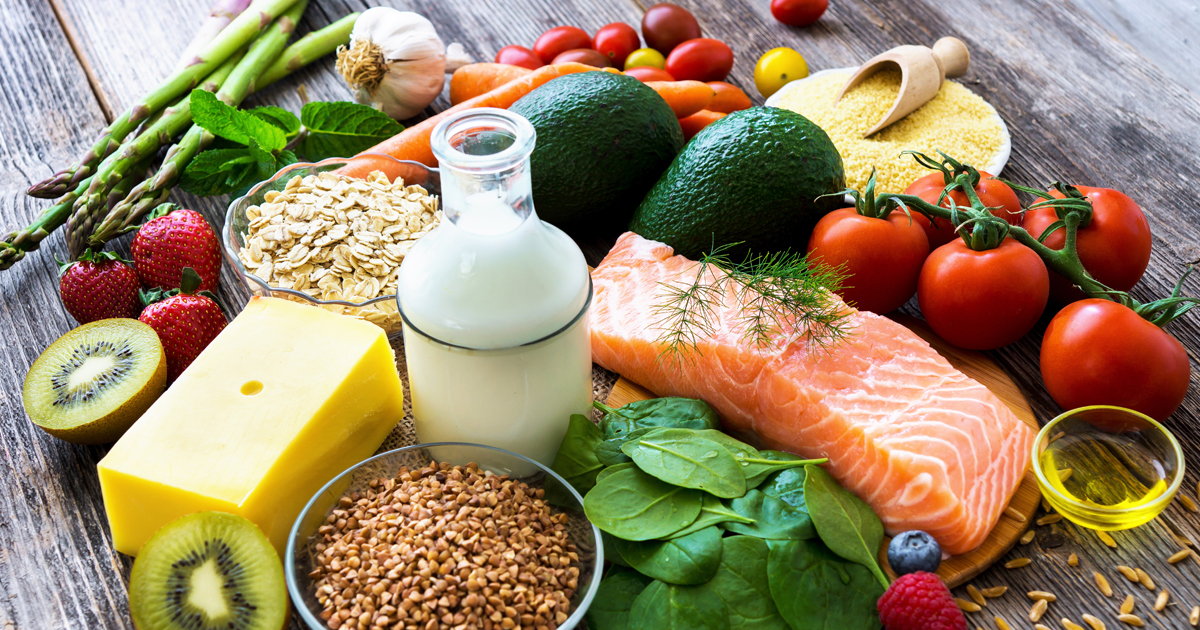
Food science rigorously studies how consumers perceive food quality through their senses and develops methods to maintain or improve these attributes.
A. Texture and Rheology
Texture is the quality of a food determined by the sense of touch, including properties like crispness, creaminess, chewiness, and hardness.
Rheology is the specific branch of food science that studies the flow and deformation of matter, directly relating to liquid and semi-solid food textures.
Understanding rheological properties is essential for developing products with consistent viscosity, like sauces, yogurts, and spreads.
Texture significantly impacts the perceived freshness and quality of fruits, vegetables, and processed snacks.
B. Flavor and Aroma Chemistry
Flavor is a complex perception resulting from the combination of taste (detected by the tongue) and aroma (detected by the nose).
Aroma compounds are volatile chemicals that travel through the nasal passage to the olfactory receptors in the nose.
Food scientists utilize techniques like gas chromatography-mass spectrometry to identify and quantify the chemical compounds responsible for desirable and undesirable flavors.
The Maillard Reaction is a non-enzymatic browning reaction between sugars and amino acids that creates hundreds of complex flavor compounds in baked bread, roasted meats, and coffee.
C. Color and Appearance
The visual appearance of food is the first sensory cue that influences a consumer’s decision and expectation of quality.
Color is often related to the presence of natural pigments like chlorophylls (green), carotenoids (yellow/orange), and anthocyanins (red/blue).
Heat and pH changes can drastically alter these natural pigments, which food processors must control during manufacturing.
Maintaining the expected, vibrant color of a product is crucial because color strongly correlates with perceived freshness and nutritional value.
D. Sensory Evaluation Panels
Sensory evaluation involves using human subjects to scientifically measure, analyze, and interpret responses to the characteristics of food products.
Highly trained descriptive panels are used to precisely characterize the flavor, texture, and aroma profiles of new or modified foods.
Consumer panels are used to assess liking, preference, and overall acceptability of the product for the general public.
These formal testing procedures are essential for quality control and successful product development before market launch.
Pillar Four: Food Safety and Quality Assurance
Food safety is the paramount concern in food science, focusing on preventing hazards that could cause illness, injury, or contamination throughout the supply chain.
A. Microbial Hazards and Control
Microbial hazards include bacteria, viruses, molds, yeasts, and parasites that can cause foodborne illness (food poisoning).
Scientists meticulously study the growth parameters of common pathogens, like Salmonella, E. coli, and Listeria, to design effective control measures.
The Danger Zone refers to the temperature range between 4∘C and 60∘C (40∘F and 140∘F) where bacteria multiply most rapidly.
Strict control of time and temperature during processing, storage, and handling is the most effective way to manage microbial risks effectively.
B. Chemical and Physical Hazards
Chemical hazards include toxins naturally found in foods, pesticides, cleaning agents, and undeclared allergens that can pose a health risk.
Controlling chemical hazards involves implementing rigorous testing procedures and enforcing strict regulations on maximum residue limits.
Physical hazards are foreign objects like glass shards, metal fragments, or plastic pieces that can accidentally contaminate food during processing.
Implementing equipment like metal detectors, X-ray machines, and meticulous visual inspection protocols helps to mitigate physical contamination.
C. Hazard Analysis and Critical Control Points (HACCP)
HACCP is a systematic, preventive approach to food safety that identifies potential hazards and implements control measures.
This globally recognized system focuses on identifying Critical Control Points (CCPs) in the production process where hazards can be eliminated or reduced to safe levels.
Examples of CCPs include the cooking temperature of meat, the time-temperature control during cooling, or the pH level during acidification.
HACCP shifts the focus from relying solely on end-product testing to proactive prevention at every stage of the food supply chain.
D. Regulatory Compliance and Labeling
Food science ensures that products comply with strict government regulations regarding ingredients, processing, and safety standards.
Accurate and honest food labeling is legally required to inform consumers about ingredients, nutritional content, and potential allergens.
Food scientists must correctly calculate and verify nutritional facts panels according to established governmental guidelines before market distribution.
Conclusion
Food science is an incredibly expansive and essential discipline that quietly underpins every single meal consumed worldwide each day.
It is the core function that transforms unstable, perishable raw ingredients into a safe, sustainable, and enjoyable global food supply.
Understanding its principles reveals that every loaf of bread, every container of yogurt, and every frozen vegetable blend is a deliberate technological achievement based on rigorous chemistry and engineering.
This field is constantly innovating to meet the complex demands of a growing global population, addressing concerns like sustainability, nutrition, and reducing environmental impact.
The dedication of food scientists ensures that our diets are not only diverse and delicious but, most importantly, reliably safe for us and our families.