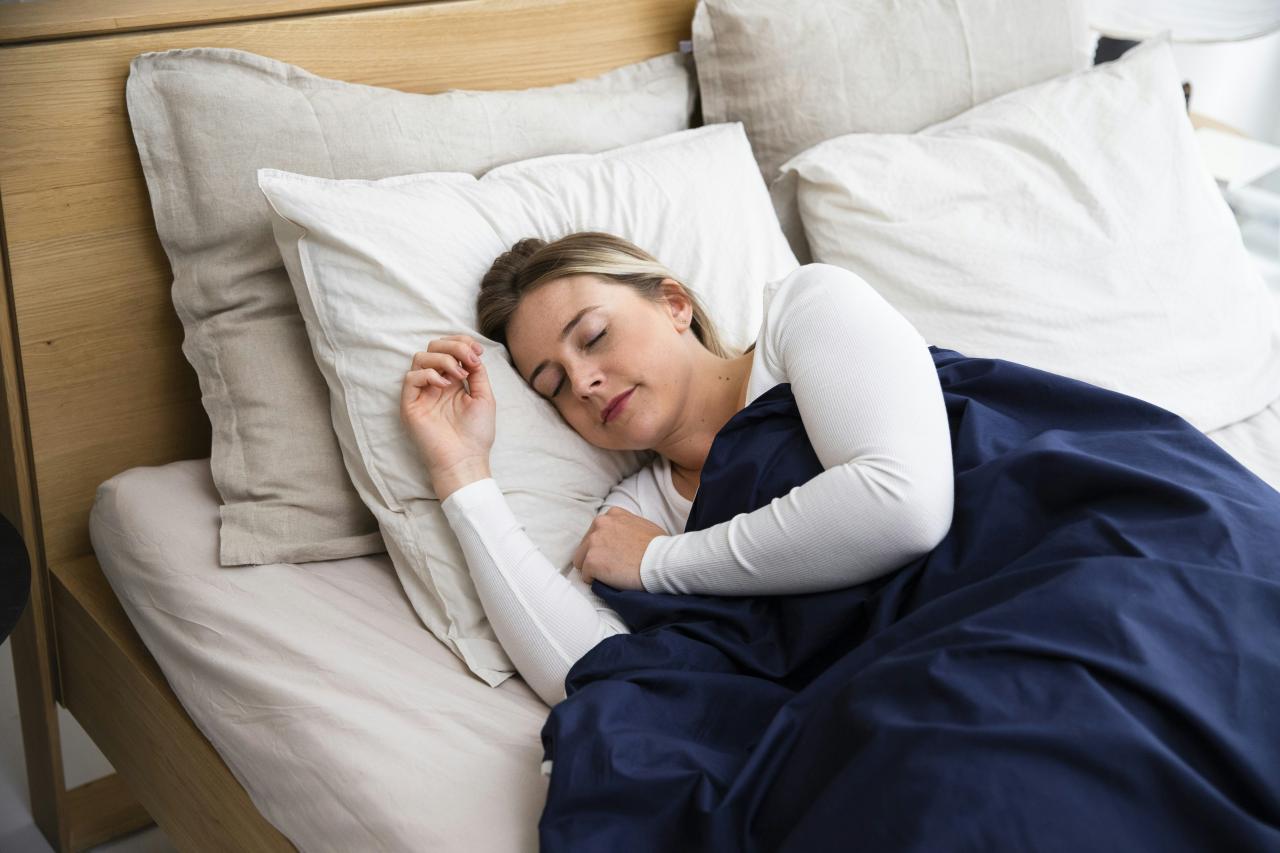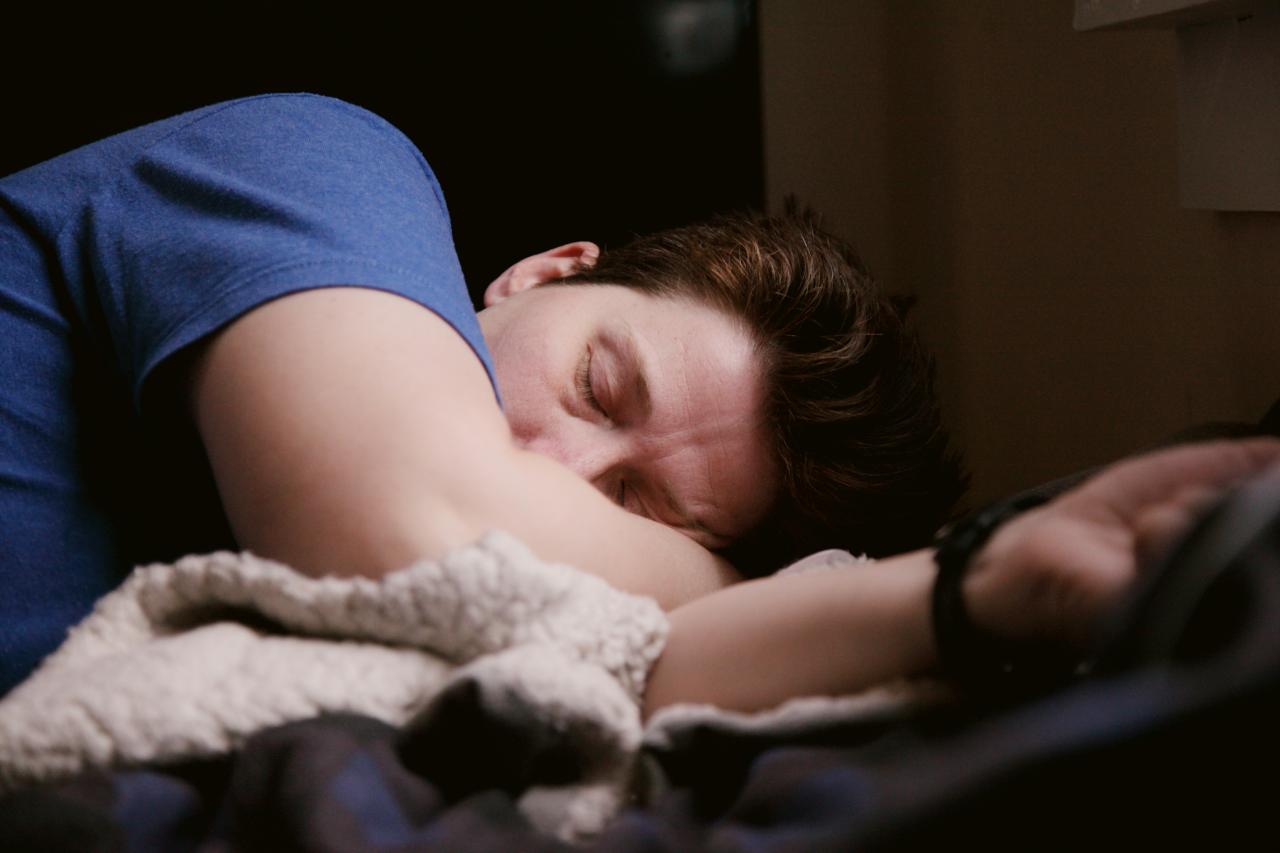
The Profound Necessity of Restorative, Quality Sleep
Sleep is not merely a passive period of rest for the body; it is a vital, non-negotiable biological function that serves as the cornerstone for virtually every aspect of human health, cognitive performance, and emotional stability.
During the hours we spend in deep slumber, the brain diligently performs essential maintenance tasks, consolidating memories, clearing metabolic waste products, and regulating the delicate balance of hormones crucial for appetite and mood control.
When this delicate process is disrupted by a sleep disorder, the consequences extend far beyond simple tiredness, profoundly impacting daily life, increasing the risk of chronic diseases, and severely diminishing the capacity for focus and emotional resilience.
In our modern, always-on society, sleep deprivation has unfortunately become normalized, yet ignoring persistent sleep issues is akin to deliberately neglecting the fundamental operating system of the entire body and mind.
Recognizing the critical importance of restorative sleep and seeking professional help for chronic disturbances are the most empowering steps an individual can take toward reclaiming their vitality and optimizing their long-term well-being.
A disciplined commitment to sleep health is, therefore, the most profound investment one can make in securing a healthier, happier, and much more productive future.
Pillar One: Recognizing the Major Categories of Sleep Disorders

Sleep disorders are generally categorized based on the nature of the disturbance, whether it involves difficulty falling asleep, excessive daytime sleepiness, or disruptive behaviors during sleep.
A. Insomnia Disorders
Insomnia is the most common sleep disorder, characterized by persistent difficulty falling asleep, staying asleep, or achieving restorative sleep.
Chronic insomnia is defined as experiencing these symptoms at least three nights per week for a minimum duration of three consecutive months.
It often leads to significant daytime impairment, including extreme fatigue, irritability, and difficulty concentrating on complex tasks.
Insomnia is frequently rooted in underlying psychological factors, such as chronic stress, anxiety, or depression, which keep the mind racing at night.
The condition can also be exacerbated by poor sleep habits, excessive caffeine intake, or a disruptive bedroom environment that promotes alertness.
B. Sleep-Related Breathing Disorders
Sleep Apnea is a serious condition characterized by repeated pauses in breathing during sleep, causing fragmented, non-restorative rest.
The most prevalent form is Obstructive Sleep Apnea (OSA), where the airway physically collapses due to relaxed throat muscles during deep sleep.
These breathing pauses trigger brief awakenings, often hundreds of times per night, that the individual usually does not remember.
Loud, habitual snoring and excessive daytime sleepiness are the two most common and obvious signs of this dangerous condition.
Untreated sleep apnea dramatically increases the risk of serious health issues, including hypertension, stroke, and chronic heart disease.
C. Hypersomnolence Disorders
Hypersomnolence disorders involve persistent, severe daytime sleepiness that occurs despite adequate or even prolonged amounts of sleep at night.
Narcolepsy is a chronic neurological disorder caused by the brain’s inability to regulate sleep-wake cycles normally.
It is characterized by excessive daytime sleepiness, often including sudden, uncontrollable bouts of falling asleep throughout the day.
Narcolepsy can also involve cataplexy, a sudden loss of muscle tone often triggered by strong emotions, such as surprise or laughter.
Other hypersomnolence conditions may involve primary causes within the brain or be secondary to other untreated sleep disorders.
D. Circadian Rhythm Sleep-Wake Disorders
These disorders involve a persistent or recurrent pattern of sleep disruption resulting from a mismatch between the individual’s internal body clock and their environment or schedule.
Shift Work Disorder affects individuals whose work schedules conflict with their natural circadian rhythm, such as nurses or factory workers.
Delayed Sleep Phase Syndrome is common in adolescents, where the body’s natural sleep timing is shifted late, making it hard to fall asleep before 2 a.m.
Jet Lag Disorder is a temporary form of circadian misalignment caused by rapid travel across multiple time zones that confuses the internal clock.
Consistent, synchronized light exposure and meal timing are the most powerful tools for effectively resetting and regulating the body’s natural rhythm.
E. Parasomnias
Parasomnias are a category of disruptive sleep-related events or behaviors that occur during arousals from sleep or during the transitions between sleep stages.
These events are considered abnormal and can include physical movements, unusual perceptions, or complex actions while the person is technically asleep.
Sleepwalking (Somnambulism) involves walking or performing other complex behaviors while in a state of partial arousal from deep sleep.
Sleep Terrors are episodes of intense fear, shouting, and movement during deep sleep, most common in children, often without any memory of the event.
REM Sleep Behavior Disorder (RBD) involves acting out vivid, often violent dreams due to a failure of the body’s paralysis mechanism during REM sleep.
Pillar Two: Diagnosis and Evidence-Based Treatment
Addressing any chronic sleep disturbance requires accurate diagnosis, typically involving specialized tests and a commitment to evidence-based therapeutic interventions rather than guesswork.
A. The Role of Sleep Studies (Polysomnography)
A Polysomnography (PSG), or in-lab sleep study, is the gold standard diagnostic tool for many sleep disorders, particularly sleep apnea.
During the PSG, specialized equipment records various biological functions, including brain waves, eye movements, heart rate, oxygen levels, and muscle activity.
This comprehensive data allows sleep specialists to precisely identify the specific stages of sleep and detect abnormal events like apneas or leg movements.
Home sleep apnea tests are becoming increasingly common and offer a convenient, though less comprehensive, screening alternative for many patients.
B. Cognitive Behavioral Therapy for Insomnia (CBT-I)
CBT-I is recognized by medical experts as the most effective long-term, non-pharmacological treatment for chronic insomnia.
This structured, short-term therapy addresses the underlying thoughts and behaviors that perpetuate the difficulty in falling or staying asleep.
It includes techniques like stimulus control, which re-establishes the bed as a place only for sleep and intimacy, removing anxiety triggers.
CBT-I also incorporates sleep restriction, which temporarily limits time in bed to consolidate sleep and build a stronger sleep drive.
By targeting the root causes, CBT-I provides lasting benefits that typically far surpass those achieved solely through prescription sleep medications.
C. Continuous Positive Airway Pressure (CPAP)
CPAP therapy is the standard, most highly effective treatment for moderate to severe Obstructive Sleep Apnea (OSA).
The CPAP machine delivers pressurized air through a mask worn over the nose or mouth, creating an air splint that physically holds the airway open.
This constant pressure prevents the soft tissues of the throat from collapsing during sleep, thus eliminating the dangerous breathing pauses.
Consistent compliance with CPAP usage not only improves sleep quality but significantly reduces the serious cardiovascular risks associated with untreated OSA.
D. Medication Management
Various medications may be used to treat specific sleep disorders, though they are often seen as short-term aids or used in conjunction with behavioral therapy.
Hypnotics can be prescribed for transient insomnia, but they carry risks of dependency and rebound insomnia upon discontinuation.
Stimulants are often used to manage the severe daytime sleepiness associated with hypersomnolence disorders like narcolepsy, promoting wakefulness.
Melatonin receptor agonists or certain antidepressants can be utilized to help regulate and reset severe circadian rhythm disorders effectively.
Pillar Three: Essential Sleep Hygiene Practices

Improving sleep hygiene—the routine and environmental factors that precede and surround sleep—is a powerful intervention that benefits every individual, regardless of specific diagnosis.
A. Maintaining a Consistent Schedule
Going to bed and waking up at the same time every single day, including weekends, is the most crucial element of good sleep hygiene.
This strict consistency powerfully reinforces the body’s internal clock, making it easier to fall asleep and wake up naturally on time.
Ignoring this rule by “sleeping in” drastically confuses the circadian rhythm, leading to inconsistent sleep quality and severe insomnia symptoms.
B. Optimizing the Bedroom Environment
The bedroom should be treated as a dedicated sanctuary for sleep and intimacy, removing all objects that promote alertness or distraction.
The room should be reliably dark, blocking out all light sources, as even small amounts of light can disrupt the production of melatonin.
The ideal sleep temperature is typically cool, generally between 15∘C and 19∘C (60∘F and 67∘F).
The room must be completely quiet or employ consistent white noise to mask sudden, disruptive sounds that might cause abrupt awakenings.
C. Managing Light Exposure
Light is the single most powerful external cue that regulates the body’s internal circadian rhythm and dictates the sleep-wake cycle.
Exposure to bright light, especially natural sunlight, immediately upon waking helps to suppress melatonin and promote alertness for the day.
Conversely, avoiding bright, especially blue-spectrum, light exposure in the 60 to 90 minutes before bedtime is essential for melatonin production.
Devices like smartphones, tablets, and televisions emit blue light that tricks the brain into thinking it is still daytime, effectively delaying sleep onset.
D. The Pre-Sleep Wind-Down Routine
Creating and committing to a consistent, calming routine in the hour before bed signals to the body that it is time to transition into rest.
This routine should involve low-stimulation activities like reading a physical book, taking a warm bath, or practicing gentle stretching.
Strictly avoid engaging in stressful work, solving complex problems, or having emotionally charged conversations right before attempting to sleep.
The wind-down period provides the necessary psychological and physiological bridge between the demands of the day and the restful state of sleep.
Pillar Four: Lifestyle Factors That Undermine Sleep
Several common daily habits can significantly impair the quality of sleep, making their mitigation a vital part of overcoming any sleep-related difficulty.
A. Stimulants and Timing
Consuming caffeine too late in the day is a primary culprit for difficulty falling asleep or experiencing light, fragmented rest.
Caffeine has a surprisingly long half-life, meaning half of the consumed amount can remain active in your system for several hours.
It is generally recommended to cease all caffeine consumption, including coffee, tea, and soda, at least 8 to 10 hours before your desired bedtime.
Similarly, nicotine is a strong stimulant that severely interferes with sleep continuity and is often associated with lighter sleep stages.
B. Alcohol’s Disruptive Effect
While alcohol may initially make you feel sleepy, it significantly fragments the later stages of sleep, particularly suppressing vital REM sleep.
As the body metabolizes the alcohol during the night, it often leads to awakenings and difficulty getting back to sleep in the early morning hours.
Alcohol also exacerbates snoring and significantly worsens the severity of obstructive sleep apnea due to its muscle-relaxing effects on the throat.
Limiting alcohol intake, especially in the 3 to 4 hours immediately preceding bedtime, is necessary for achieving restorative rest.
C. Managing Stress and Anxiety
High levels of chronic stress and anxiety are the single most common psychological barrier to falling asleep, leading to frequent nocturnal awakenings.
Stress floods the body with cortisol and adrenaline, putting the nervous system into a state of hyperarousal and alertness incompatible with sleep.
Integrating daily stress management practices, such as mindfulness, deep breathing, or journaling, can significantly calm the mind before bed.
Addressing the root psychological causes of anxiety through therapy is often the long-term solution to persistent, stress-induced insomnia.
D. Daytime Napping Strategy
Strategic, short naps can be beneficial, but long or late afternoon naps can severely reduce the essential sleep drive required to fall asleep at night.
If a nap is necessary, limit its duration to no more than 20 to 30 minutes, which avoids dropping into deep sleep stages that cause grogginess.
Avoid napping after 3:00 p.m., as napping too close to bedtime is guaranteed to delay sleep onset and fragment the subsequent nighttime sleep.
Maintaining a strong, consistent drive for sleep throughout the day is crucial for ensuring a smooth transition into restful nighttime sleep.
Conclusion
Addressing a sleep disorder is a profound, life-altering commitment that requires diligence, self-awareness, and the non-negotiable prioritization of quality rest.
You must recognize that sleep is not a luxury or a disposable element of your busy life but rather the fundamental pillar supporting every biological and cognitive function.
The recovery journey demands both seeking expert evaluation through sleep studies and implementing daily, rigorous behavioral changes through evidence-based practices like CBT-I.
Embrace the consistency of good sleep hygiene and actively dismantle the detrimental habits, like late caffeine or excessive alcohol, that sabotage your restful intentions nightly.
By treating your sleep health with the respect and seriousness it demands, you successfully unlock a future defined by heightened energy, improved mood, strengthened immunity, and a far greater capacity to enjoy and succeed in your waking life.