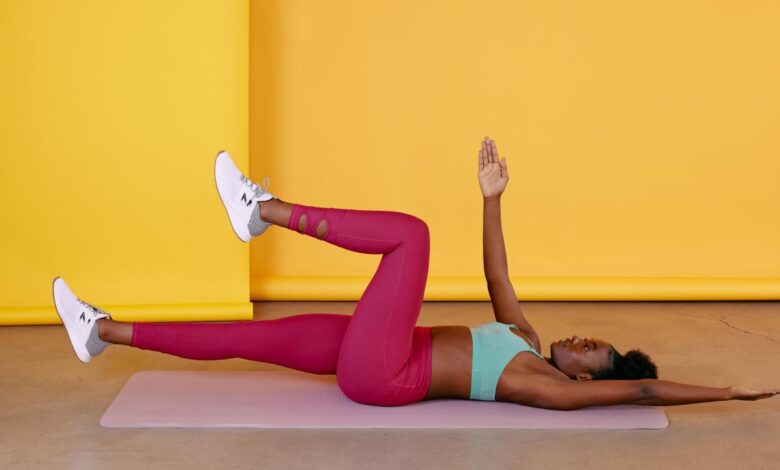
Unlocking the Full Potential of Human Movement
In our increasingly mechanized world, where convenience often dictates our physical effort, the deliberate act of engaging in regular exercise has become more critical than ever before for maintaining optimal health.
Many people understand the generic need to “work out,” yet they often overlook the rich and diverse spectrum of physical activities available, each offering unique and profound benefits to the body and mind.
Understanding the different categories of exercise is not merely academic; it is the fundamental key to crafting a truly balanced, enjoyable, and sustainable fitness regimen that can comprehensively address all aspects of well-being, from cardiovascular endurance to mental clarity.
A well-rounded physical routine should never be a repetitive chore but rather a dynamic blend of movements designed to challenge and support the body’s complex systems over a lifetime, ensuring that we remain functional, energetic, and resilient against the inevitable challenges of aging and modern stress.
Therefore, embracing the full array of exercise types allows individuals to tailor their approach to their specific goals, preferences, and current physical capabilities, transforming fitness from a temporary struggle into an enduring, powerful lifestyle commitment.
The Four Pillars of Comprehensive Fitness
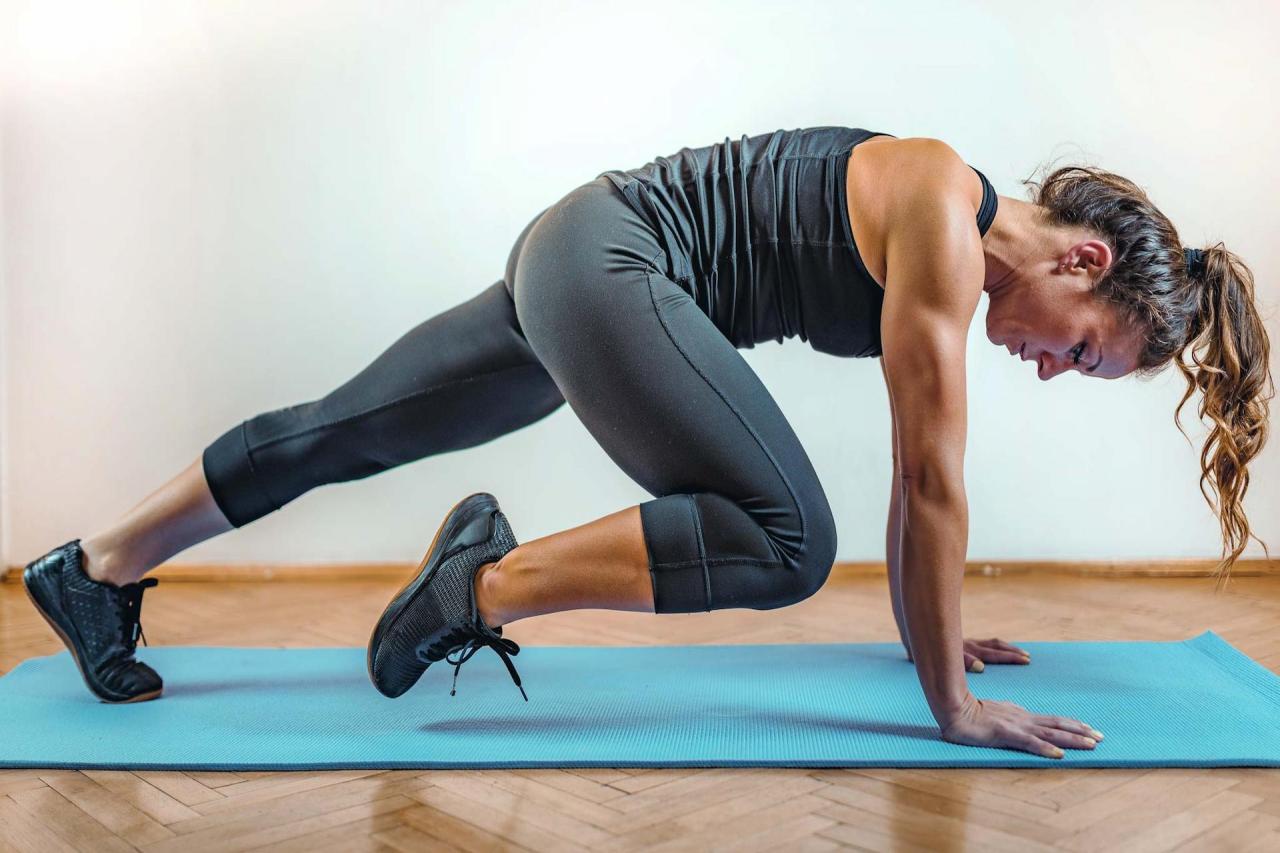
A truly effective exercise program is built upon four fundamental types of movement, each serving a distinct and essential purpose in maximizing overall physical health.
Neglecting any one of these pillars can lead to imbalances, increasing the risk of injury or limiting your potential for peak physical condition.
A. Aerobic Exercise (Cardiovascular Training)
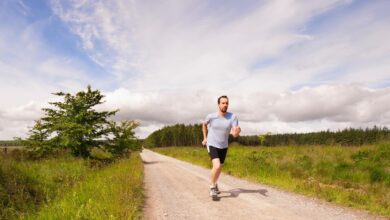
Aerobic exercise involves any physical activity where oxygen is taken in and used to produce energy through sustained effort.
This type of training is primarily focused on strengthening your heart and lungs.
It improves the efficiency of your circulatory system, allowing it to deliver oxygen more effectively throughout your entire body.
Aerobic activity is often referred to as “cardio” because of its deep benefits for the cardiovascular system.
These exercises typically utilize large muscle groups in a rhythmic and repetitive manner.
The general recommendation for most adults is to engage in at least 150 minutes of moderate aerobic activity per week.
Common Examples of Aerobic Exercise
- Running and Jogging: These are excellent, high-impact ways to quickly elevate your heart rate and build endurance.
- Cycling: This offers a fantastic, lower-impact option that builds leg strength and cardiovascular fitness simultaneously.
- Swimming: Considered a phenomenal full-body workout, swimming minimizes stress on the joints while providing excellent resistance.
- Brisk Walking: A highly accessible entry point for beginners, it remains effective for maintaining heart health when performed at a fast enough pace.
- Dancing: Activities like Zumba, salsa, or even free-form movement provide a fun and engaging way to get your cardio done.
- Hiking: A great outdoor option that builds endurance and often incorporates inclines, providing varied intensity.
B. Strength Training (Resistance Training)
Strength training involves using resistance to cause microscopic tears in your muscle fibers, which then rebuild stronger over time.
This type of exercise is crucial for increasing muscle mass and muscular endurance.
Building muscle is important for boosting your metabolism, as muscle tissue burns more calories at rest than fat tissue.
Resistance training is absolutely vital for maintaining bone density and preventing age-related muscle loss, known as sarcopenia.
It improves functional strength, making everyday tasks like lifting groceries or climbing stairs much easier.
Strength workouts should typically target all major muscle groups at least two non-consecutive days per week.
Methods of Applying Resistance
- Free Weights: Using equipment like dumbbells, barbells, and kettlebells allows for a full range of motion and engages stabilizer muscles.
- Weight Machines: These provide a controlled path of motion, which is excellent for beginners or for isolating specific muscle groups with less risk of improper form.
- Bodyweight Exercises: Activities such as push-ups, pull-ups, squats, and lunges use your own mass as the resistance, requiring no equipment.
- Resistance Bands: These lightweight and portable tools offer variable resistance that is excellent for travel or home workouts.
- Suspension Training: Utilizing systems like TRX, this method leverages gravity and body position to perform challenging exercises.
- Weighted Vests: Adding external weight to common exercises like walking or calisthenics increases the overall resistance and difficulty.
C. Flexibility and Mobility Training
Flexibility refers to the ability of muscles and tendons to stretch, while mobility is the capacity of a joint to move through its full range of motion.
These exercises are paramount for preventing injuries by preparing your body for more intense activities.
They help maintain good posture by ensuring muscles around the joints are not overly tight or restricted.
Poor flexibility can lead to chronic aches and pains, especially in the lower back and shoulders.
Incorporating flexibility work can improve blood flow to your muscles, aiding in the recovery process after a tough workout.
It also contributes significantly to your overall quality of life and ease of movement as you get older.
Core Flexibility Practices
- Static Stretching: Holding a stretch for a sustained period, typically 30 seconds, is best performed after a workout when muscles are warm.
- Dynamic Stretching: Performing controlled movements that gently take your joints through a full range of motion, which should be done before exercise.
- Yoga: This discipline combines physical postures, breathing techniques, and meditation, deeply enhancing both flexibility and core strength.
- Pilates: Focused on core stability, posture, and controlled movements, Pilates effectively improves body awareness and joint mobility.
- Foam Rolling (Self-Myofascial Release): Using a foam roller or specific massage balls can break up muscle knots and trigger points, improving tissue elasticity.
- Tai Chi: This gentle form of exercise uses slow, fluid movements and deep breathing to enhance balance, flexibility, and relaxation.
D. Balance and Stability Training
Balance training focuses on maintaining the body’s center of gravity over its base of support, whether stationary or while moving.
Stability exercises primarily strengthen the core muscles and the smaller, stabilizing muscles around the joints.
Improving balance is absolutely crucial for reducing the risk of falls, particularly in older adults.
A strong, stable core provides the foundation for all other movements, enhancing performance in every other type of exercise.
It also significantly contributes to proper body alignment and prevents inefficient movement patterns.
Balance work should be integrated into your routine several times per week, often just for a few minutes.
Effective Balance Exercises
- Single-Leg Stands: Simple but effective, this involves standing on one foot for an extended period, progressing to doing so with eyes closed.
- Yoga Poses: Many foundational yoga postures, like Tree Pose or Warrior III, are excellent for developing both balance and stability.
- Walking Heel-to-Toe: This exercise challenges balance by reducing the base of support and requiring precise control.
- Using Instability Tools: Standing or squatting on balance discs, wobble boards, or a single BOSU ball challenges the stabilizing muscles dynamically.
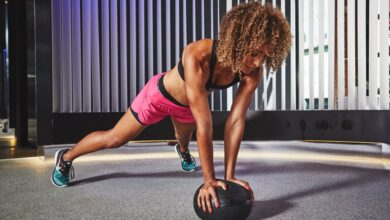
- Core-Specific Movements: Exercises like planks, bird-dogs, and various bridges are essential for building the muscular foundation for stability.
- Pilates Movements: Many advanced Pilates exercises are specifically designed to improve balance and control from the core outward.
Expanding the Spectrum: Functional and Mind-Body Integration
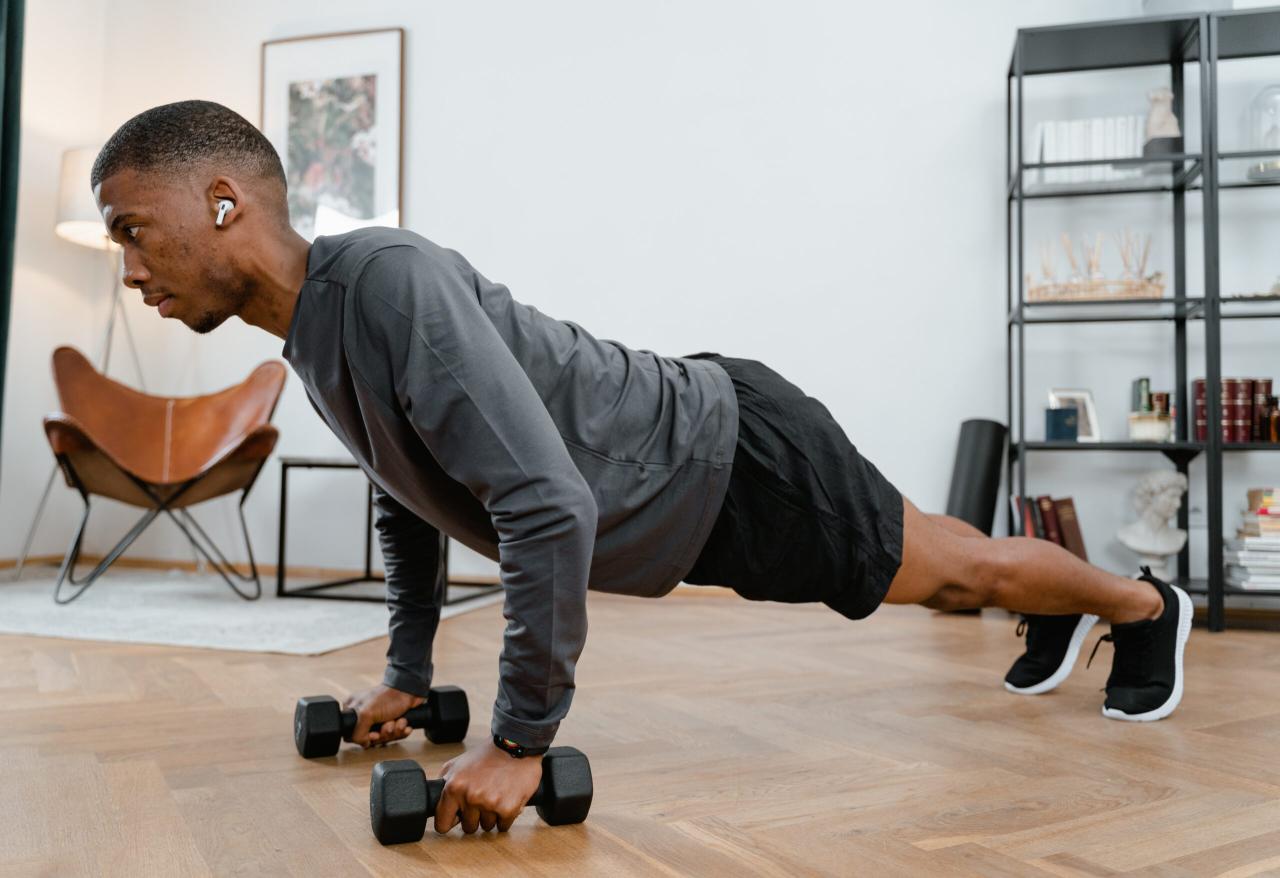
While the four pillars provide the structural foundation, two other broad categories of exercise are essential for maximizing the benefits of a well-rounded fitness lifestyle.
A. Functional Fitness
Functional fitness training focuses on preparing your body for real-life activities and movements.
It often mimics everyday actions like squatting, lifting, pulling, pushing, and carrying.
This type of exercise is fantastic because it improves your body’s ability to handle the physical demands of daily life and work.
It often integrates multiple muscle groups and movement planes simultaneously, fostering total-body coordination.
Training your body functionally helps ensure that strength gained in the gym translates directly into real-world ease and capability.
Examples of Functional Training
- Kettlebell Swings and Carries: These movements build explosive power, grip strength, and core stability, mimicking real-life lifting and carrying.
- Box Jumps and Step-Ups: These activities improve explosive power in the legs and enhance the ability to navigate stairs and uneven terrain.
- Farmer’s Walks: Simply carrying heavy weights for distance is an incredible test of grip strength, core stability, and total-body endurance.
- Medicine Ball Throws: These explosive movements build rotational power useful for sports and twisting motions in daily life.
- Multi-Joint Movements: Complex lifts like the deadlift and clean-and-jerk train many muscle groups in coordination, reflecting how the body moves naturally.
B. Mind-Body Exercise
Mind-body exercises emphasize the connection between physical movement and the internal state of consciousness.
These practices often involve controlled breathing, focused attention, and intentional movement patterns.
The primary goal is to improve awareness, reduce stress, and promote a sense of inner calm alongside physical benefits.
They are superb for lowering the production of stress hormones like cortisol.
This category is essential for managing the mental load and anxiety common in modern society.
Popular Mind-Body Disciplines
- Meditation and Breathwork: While not strictly physical exercise, these are often integrated into other practices to improve focus and physiological control.
- Hatha and Vinyasa Yoga: These provide a structured way to link movement to breath, promoting flexibility, strength, and mental grounding.
- Tai Chi: Often described as “meditation in motion,” it uses slow, continuous movements to improve balance, circulation, and focus.
- Qigong: This ancient Chinese system involves specific coordinated movements, posture, and breathing to cultivate internal energy and well-being.
- Guided Imagery and Relaxation: These mental practices, sometimes combined with gentle stretching, help release muscle tension stored from stress.
Conclusion: Making Movement a Daily Priority
Understanding the different exercise types empowers you to take complete control of your physical destiny.
A comprehensive approach ensures that you are building not just big muscles, but total, holistic health. Remember that every session, no matter how brief, contributes to the cumulative health benefits.
Your ultimate goal should be to make physical activity as automatic and indispensable as eating or sleeping.
By intentionally blending cardio, strength, flexibility, and balance, you are investing in a future of reduced disease risk and increased independence.
No single exercise is a magical cure, but the intentional combination of all four pillars creates a profound transformation.
Embrace the variety, listen to your body’s needs, and celebrate the small, consistent victories every single day.
The consistent habit of movement is the most powerful prescription for a long, vibrant, and fully functional life. Start today by adding just one new type of movement into your existing routine.