
The human brain is an incredibly demanding organ, consuming a massive portion of our total daily energy despite making up only a small fraction of our body weight. For decades, scientists wondered how such a high-performance engine managed to clear out its metabolic waste without a traditional lymphatic system, which services the rest of our bodies. It wasn’t until very recently that researchers discovered the “Glymphatic System,” a specialized macroscopic waste clearance pathway that functions primarily while we are in deep slumber.
This discovery has completely revolutionized our understanding of why sleep is a biological necessity rather than just a period of rest for our muscles. When we enter the deeper stages of sleep, our brain cells actually shrink, allowing cerebrospinal fluid to rush in and flush out toxic proteins that accumulate during our waking hours. These toxins, such as amyloid-beta, are the same substances linked to devastating neurodegenerative conditions like Alzheimer’s and dementia.
Understanding how to optimize this “brain washing” process is no longer just a matter of feeling refreshed; it is a critical pillar of long-term cognitive health and longevity. In this deep dive, we will explore the intricate mechanics of the glymphatic system, the role of sleep posture, and the lifestyle habits you can start today to ensure your brain stays clean and sharp for decades to come.
A. The Biological Plumbing of the Mind
The term “Glymphatic” is a clever portmanteau of “glial cells” and the “lymphatic system.” It describes a network of channels that act like the plumbing in your house, carrying away the trash so it doesn’t rot.
Unlike the rest of your body, which has vessels that collect waste, the brain uses a pressurized system of cerebrospinal fluid (CSF). This fluid flows along the outside of arteries and is forced into the brain tissue to sweep through the spaces between cells.
A. Astrocytes are specialized star-shaped glial cells that facilitate the movement of fluid through small channels called aquaporin-4 (AQP4) water channels.
B. Cerebrospinal Fluid (CSF) acts as the cleaning agent, picking up metabolic debris as it flows through the brain’s parenchyma.
C. Interstitial Fluid (ISF) is the fluid found in the spaces around cells, which mixes with the CSF to transport waste toward the venous system.
D. Metabolic Byproducts like adenosine and lactic acid are the “trash” that builds up when you think and process information all day.
E. The Venous Outflow is the final exit point, where the toxic mixture is carried away from the brain and eventually filtered by the liver.
B. Why Deep Sleep is the “Cleaning Cycle”
The glymphatic system doesn’t run at full speed all day long; if it did, your brain wouldn’t have enough energy to focus on complex tasks. It is highly circadian, meaning it mostly switches on when you are in a state of deep, non-REM (NREM) sleep.
During these deep sleep stages, the space between your neurons increases by up to 60%. This expansion lowers the resistance to fluid flow, allowing the “cleaning crew” to move through the brain much more effectively than when you are awake.
A. NREM Stage 3 (Slow-Wave Sleep) is the peak time for glymphatic activity because of the synchronized electrical waves that help “pump” the fluid.
B. Noradrenaline is a chemical that keeps your brain alert; its levels must drop significantly for the glymphatic channels to open up.
C. Brain Cell Volume decreases during sleep, creating wider “alleys” for the cerebrospinal fluid to navigate through.
D. Sleep Fragmentation, or waking up frequently, prevents the brain from reaching the sustained deep states needed for a full cleaning cycle.
E. Anesthesia and Sedatives can sometimes mimic these states, but they rarely provide the same high-quality detox as natural, physiological sleep.
C. The Connection to Alzheimer’s and Dementia
The most alarming discovery regarding the glymphatic system is its link to protein “plaques.” When the brain fails to clear out amyloid-beta and tau proteins, they begin to clump together.
These clumps are the primary markers of Alzheimer’s disease. Over time, these toxic proteins suffocate neurons, leading to memory loss and cognitive decline that characterizes many forms of dementia.
A. Amyloid-beta is a protein fragment that is produced naturally during neural activity but becomes toxic if it lingers too long.
B. Tau Proteins are involved in stabilizing neurons, but they can become “tangled” and block the brain’s internal transport systems.
C. Chronic Sleep Deprivation has been shown in studies to immediately increase the concentration of amyloid-beta in the brain the very next day.
D. Lymphatic Drainage in the neck also plays a role, acting as the secondary exit for the waste that the glymphatic system has gathered.
E. Early Intervention through better sleep hygiene is now considered one of the most effective ways to delay the onset of hereditary cognitive diseases.
D. The Impact of Sleep Posture on Detox
Believe it or not, the way you position your body in bed can change how well your brain flushes out toxins. Research suggests that gravity and the alignment of your neck play a significant role in fluid movement.
Studies on animal models have indicated that certain positions are much more efficient for glymphatic transport. This is because the vessels in the neck that carry the waste away are sensitive to compression and alignment.
A. Lateral (Side) Sleeping is currently considered the most effective position for glymphatic clearance because it optimizes the drainage through the carotid arteries.
B. Supine (Back) Sleeping is generally efficient but can lead to airway obstruction (snoring), which reduces the oxygen needed for brain repair.
C. Prone (Stomach) Sleeping is often regarded as the least effective, as it puts strain on the neck and can restrict the flow of fluid out of the skull.
D. Pillow Height is crucial; a pillow that is too high or too low can kink the vessels in the neck, acting like a thumb on a garden hose.
E. Body Alignment ensures that the “pressure gradient” between the brain and the heart remains optimal for fluid exchange.
E. Circadian Rhythms: Timing Your Brain Wash
Your brain follows a strict internal clock known as the circadian rhythm. This clock tells the glymphatic system when to wake up and when to go to work.
If you sleep at the “wrong” time—such as during the day if you are a shift worker—your glymphatic system may not function at 100%. The brain prefers to do its cleaning when it is dark and the body’s core temperature has dropped.
A. Melatonin is the “sleep hormone” that signals the brain to begin its wind-down and cleaning processes.
B. Light Exposure, especially blue light from phones, tricks the brain into thinking it is daytime, keeping the glymphatic channels closed.
C. Core Body Temperature must drop by about 1-2 degrees Celsius to trigger the deepest, most productive stages of slow-wave sleep.
D. Consistency is key; going to bed at the same time every night trains your glial cells to be ready for the flushing cycle.
E. Social Jetlag, or staying up late on weekends, confuses the glymphatic system and results in “brain fog” on Monday mornings.
F. The Role of Exercise in Neural Waste Clearance
Exercise isn’t just for your heart and muscles; it’s a powerful “booster” for your brain’s plumbing. Physical activity increases the heart rate and the pulse pressure in your arteries.
This “pulsing” action helps push the cerebrospinal fluid through the brain tissue more vigorously. People who exercise regularly tend to have a more robust glymphatic system even as they age.
A. Aerobic Exercise, like running or swimming, has the strongest documented effect on improving fluid flow within the skull.
B. Heart Rate Variability (HRV) is a sign of a healthy nervous system that can easily transition into the deep sleep required for detox.
C. Timing of Exercise matters; working out too close to bedtime can keep noradrenaline levels high, delaying the start of the cleaning cycle.
D. Blood-Brain Barrier integrity is improved by exercise, ensuring that only the right fluids move in and out of the brain.
E. Lactate, produced during exercise, may actually serve as an alternative fuel for the astrocytes that manage the glymphatic pumps.
G. Diet, Hydration, and Brain Fluid
What you eat and drink can directly affect the “viscosity” of your brain’s cleaning fluid. Dehydration makes everything in the body move more slowly, including the glymphatic flow.
Specific nutrients also support the health of the glial cells. A brain that is inflamed due to a poor diet is a brain that cannot easily flush out its metabolic trash.
A. Proper Hydration ensures there is enough fluid volume to create the pressure needed for the glymphatic “flush.”
B. Omega-3 Fatty Acids support the structure of cell membranes, making the AQP4 water channels more efficient.
C. Magnesium is a natural relaxant that helps the brain transition into the slow-wave sleep necessary for detox.
D. Anti-inflammatory Diets, like the Mediterranean or MIND diet, reduce the “swelling” of brain cells that can block fluid channels.
E. Alcohol Consumption significantly impairs the glymphatic system by disrupting sleep architecture and dehydrating the brain tissue.
H. Aging and the “Clogging” of the System
As we get older, our glymphatic system naturally becomes less efficient. The AQP4 water channels on the astrocytes can become “mislocalized,” meaning they move to the wrong part of the cell.
This makes the brain’s plumbing more likely to leak or become clogged. This age-related decline is one of the reasons why the risk of neurological diseases increases as we get older.
A. Vascular Aging stiffens the arteries, reducing the “pulsing” force that drives cerebrospinal fluid into the brain.
B. Glial Scarring from minor head injuries or chronic stress can create physical blockages in the glymphatic pathways.
C. Reduced Slow-Wave Sleep is a common symptom of aging, meaning older adults get less “cleaning time” per night.
D. Chronic Inflammation (Inflammaging) causes astrocytes to become “reactive,” which disrupts their ability to manage fluid flow.
E. Early Screening for sleep quality in middle age may be the key to preventing “clogged” brain systems in the senior years.
I. The Impact of Stress on Brain Detox

Stress is the ultimate enemy of the glymphatic system. When you are stressed, your body is flooded with cortisol and noradrenaline, the chemicals of “fight or flight.”
These chemicals keep the brain in an “alert” state, which physically narrows the interstitial spaces between neurons. If you are chronically stressed, your brain is essentially trying to clean itself with the “faucet” turned almost all the way off.
A. Cortisol suppresses the transition into deep sleep, keeping you in the lighter stages where glymphatic flow is minimal.
B. The Sympathetic Nervous System (SNS) must be deactivated in favor of the Parasympathetic system for the “wash” to begin.
C. Meditation and Breathwork before bed can lower noradrenaline levels, allowing the brain’s plumbing to open up quickly.
D. Nighttime Ruminating, or worrying in bed, keeps the metabolic demand of the brain high, producing more trash while blocking the exit.
E. Burnout is often a state where the brain has accumulated so much metabolic waste that it can no longer function at its normal capacity.
J. Technology and the Future of Brain Cleaning
In 2026, we are seeing the rise of “Neuro-Tech” designed to specifically boost the glymphatic system. From specialized headbands to smart beds, technology is helping us hack our way to a cleaner brain.
Some devices use gentle electrical stimulation or specific sound frequencies to encourage the brain to stay in slow-wave sleep longer. This could be a game-changer for people who suffer from insomnia or shift-work disorders.
A. Acoustic Enhancement uses “pink noise” to synchronize brain waves, effectively deepening the NREM sleep cycle.
B. Transcranial Electrical Stimulation (tES) is being researched as a way to manually “trigger” the glymphatic pump.
C. Smart Beds can now subtly adjust your posture throughout the night to keep your neck in the optimal position for drainage.
D. Wearable Sleep Trackers provide data on your “Deep Sleep Score,” which is a proxy for how much cleaning time your brain received.
E. Future Pharmaceuticals may target the AQP4 channels directly, helping the brain flush toxins even if sleep is limited.
K. The Dangers of Blue Light and Screen Time
We have all heard that screens are bad for sleep, but the glymphatic system gives us a much more frightening reason why. Blue light suppresses melatonin, which is the master key that unlocks the brain’s cleaning channels.
When you scroll through social media at 11 PM, you aren’t just losing sleep; you are literally preventing your brain from washing away the toxins of the day. This creates a “toxic backlog” that leads to morning brain fog.
A. Blue Light Wavelengths mimic the sun, telling your brain that it is mid-day and that the cleaning crew should stay home.
B. Digital Eye Strain also causes tension in the neck and shoulders, which can physically impede the drainage of fluid.
C. The “Dopamine Loop” of notifications keeps the brain’s metabolic activity high right when it should be slowing down.
D. Blue-Light Blocking Glasses are a helpful tool, but “Digital Sunsets” (turning off screens 2 hours before bed) are far more effective.
E. Night Mode on smartphones is only a partial solution, as the brightness and content still stimulate the neural pathways.
L. Creating the Perfect “Brain Detox” Routine
To maximize your glymphatic health, you need a holistic nighttime routine. It isn’t just about the minutes you spend asleep, but the quality of the environment you create for your brain.
By combining posture, timing, and environment, you can ensure that every night is a high-pressure wash for your mind. This is the ultimate “biohack” for longevity and mental clarity.
A. Keep the Room Cool (around 18°C) to help your core body temperature drop and trigger deep sleep.
B. Practice the “Left-Side” sleeping position to use gravity to your advantage for fluid drainage.
C. Eliminate Caffeine after noon to ensure that your noradrenaline levels can naturally drop by bedtime.
D. Use Blackout Curtains to ensure that no stray light disrupts your melatonin production during the night.
E. Engage in a “Brain Dump” journal session to get your worries on paper, lowering the neural activity of your brain.
Conclusion
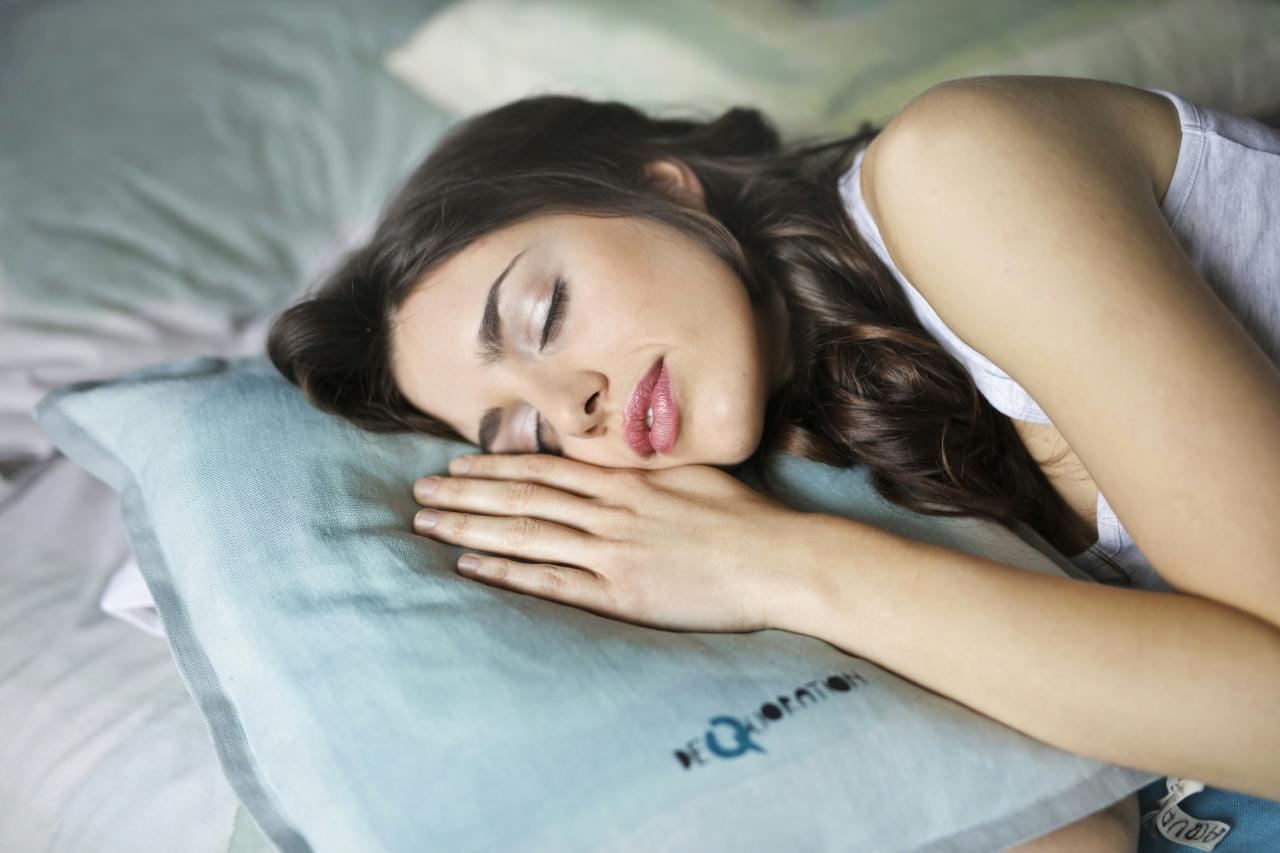
The discovery of the glymphatic system has fundamentally changed our view of human health.
We now know that sleep is not a passive state but an active cleaning process.
Every night, your brain performs a miraculous feat of biological engineering to stay healthy.
By prioritizing deep sleep, you are directly protecting yourself from future neurodegeneration.
Lifestyle choices like posture and exercise are the tools we use to maintain this plumbing.
Ignoring the brain’s need to detox is a recipe for long-term cognitive decline and illness.
Technology is finally catching up to help us optimize this vital internal system.
We must treat our sleep with the same respect we give to our diet and physical fitness.
A clean brain is the foundation of a sharp, creative, and happy life in the modern world.
As we learn more about this system, we unlock new ways to extend our cognitive lifespan.
The simple act of resting is actually the most productive thing you do for your mind.
Tonight, remember that your sleep is your brain’s most important appointment of the day.