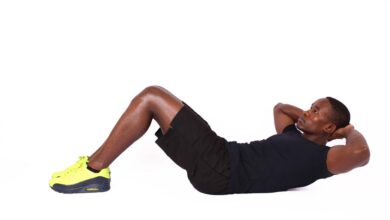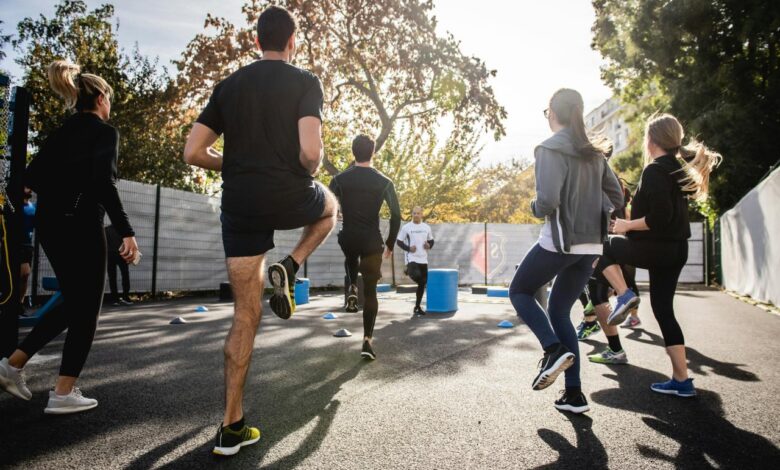
The pursuit of elite physical performance has shifted dramatically from the era of isolated muscle building toward a more integrated, movement-based philosophy known as functional strength training. This approach focuses on training the body as a single, cohesive unit rather than a collection of separate parts, ensuring that every ounce of muscle developed contributes directly to real-world power and agility. For many athletes and fitness enthusiasts, the goal is no longer just to look strong in a mirror but to possess the structural integrity required to perform complex tasks with explosive efficiency. Elite functional strength mastery involves a deep understanding of human biomechanics, neurological adaptation, and the delicate balance between high-intensity exertion and systematic recovery.
By prioritizing multi-joint movements and core stabilization, individuals can develop a physiological foundation that is resistant to injury and capable of extraordinary output. This evolution in training methodology reflects a broader trend in the sports science community toward longevity and practical athleticism over aesthetic vanity. As we delve into these advanced strategies, it becomes clear that true mastery requires a disciplined adherence to foundational principles combined with innovative techniques that challenge the body in every plane of motion. This guide serves as a comprehensive roadmap for those ready to transcend basic fitness and enter the realm of elite functional performance.
The Biomechanical Core of Functional Movement
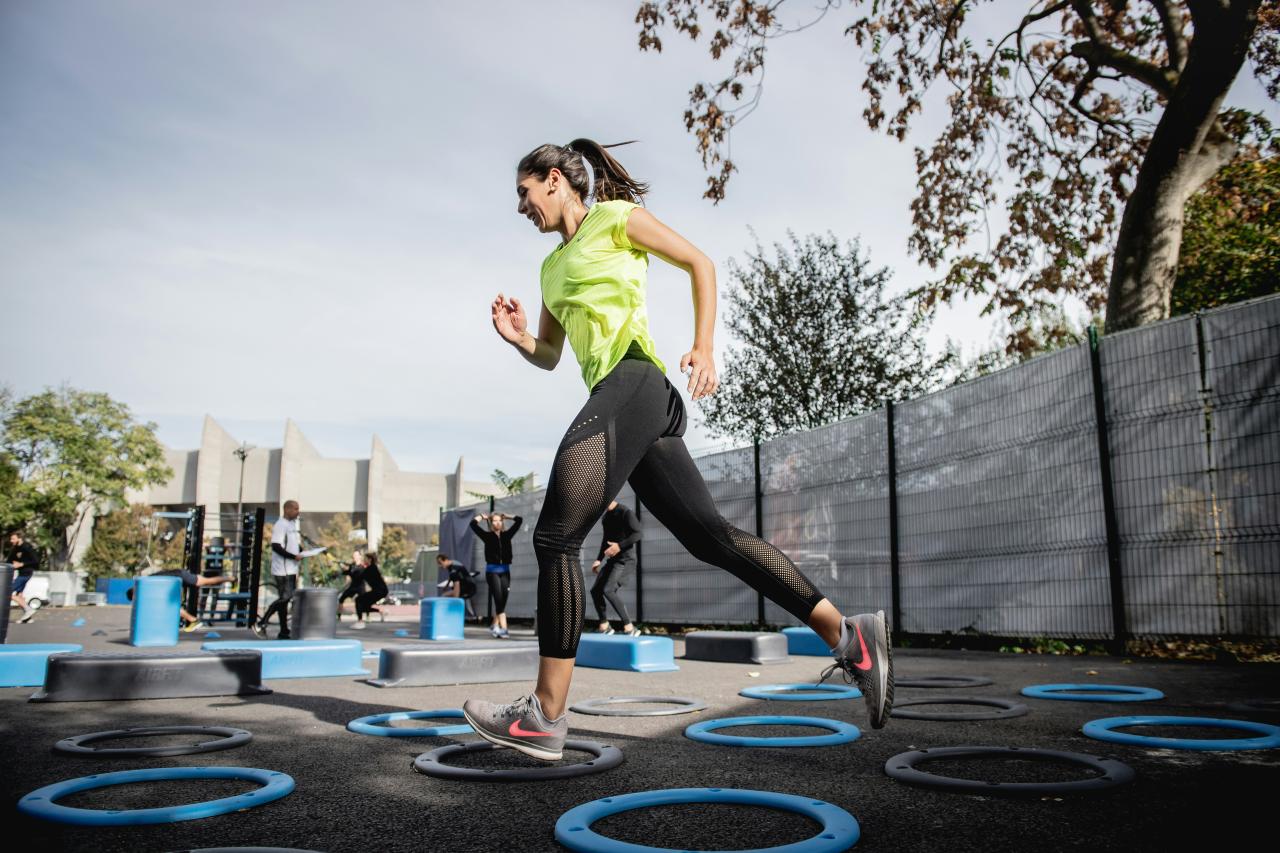
To master elite strength, you must first comprehend how the body generates and transfers force through its kinetic chains.
A. Kinetic Chain Integration and Synergy
Every movement starts with the feet and travels through the legs, hips, and core before reaching the upper body. Functional training ensures there are no “energy leaks” in this chain, allowing for maximum power transfer during explosive movements.
B. Multi-Planar Motion Mastery
Unlike traditional gym machines that lock you into a single direction, functional training occurs in three dimensions. You must train in the sagittal, frontal, and transverse planes to ensure your joints are stable during twisting or lateral movements.
C. Neuromuscular Coordination and Efficiency
Strength is as much a product of the brain as it is the muscles. Functional exercises teach the nervous system to fire motor units in the correct sequence, which significantly increases your speed and reaction time.
Foundational Movements for Global Power
The bedrock of any elite program consists of five primary movement patterns that replicate how humans have moved for thousands of years.
A. The Posterior Chain Hinge
Movement patterns like the deadlift and kettlebell swing target the hamstrings, glutes, and lower back. This area is the “engine room” of the human body and is responsible for jumping, sprinting, and lifting heavy objects safely.
B. Squatting and Lower Body Drive
The squat is the ultimate test of lower body mobility and strength. Mastering the front squat or the overhead squat develops the core stability needed to support heavy loads while moving through a full range of motion.
C. Upper Body Push and Pull Dynamics
Balanced strength requires equal focus on pushing and pulling movements. Exercises like weighted pull-ups and overhead presses ensure that the shoulder girdle remains healthy and capable of generating high-velocity force.
Advanced Core Stabilization and Integrity
The core is not just about abdominal muscles; it is the rigid bridge that connects your upper and lower body.
A. Anti-Rotational and Anti-Lateral Training
Real-world strength often involves resisting force rather than creating it. Movements like the Pallof press or the suitcase carry teach the core to remain stable when an external weight tries to pull you out of alignment.
B. Intra-Abdominal Pressure and Bracing
Elite athletes use specific breathing techniques to create internal pressure that protects the spine. Mastering the “valsalva maneuver” allows you to maintain a rigid torso under extreme loads, preventing energy loss and injury.
C. Dynamic Stability Under Load
Functional core training involves moving a weight while the trunk remains stable. This is often achieved through “loaded carries,” which force the core to work continuously as you walk or step over obstacles.
The Role of Proprioception and Balance
Elite mastery requires the ability to maintain control of your body even when your environment is unstable or unpredictable.
A. Unilateral Strength and Symmetry
Training one limb at a time, such as single-leg squats or one-arm rows, identifies and corrects muscle imbalances. This ensures that your dominant side does not overcompensate, which is a major cause of long-term sports injuries.
B. Vestibular and Visual Integration
Balance is controlled by the inner ear and the eyes. Advanced training involves challenging these systems by performing movements on uneven surfaces or with limited visual feedback to sharpen the body’s internal sensors.
C. Joint Articulation and Controlled Rotations
Maintaining the health of your joints requires moving them through their full rotational capacity. Specific drills like “Controlled Articular Rotations” ensure that your shoulders, hips, and spine remain mobile and ready for high-intensity work.
Programming for Explosive Power and Speed
Strength is useless in most sports if it cannot be applied quickly through plyometric and ballistic training.
A. Plyometric Loading and Elasticity
Training the “stretch-shortening cycle” allows your tendons to act like springs. Box jumps and depth jumps teach your muscles to absorb force and immediately redirect it into an explosive upward movement.
B. Olympic Lifting Variations for Speed-Strength
Movements like the power clean or snatch are the gold standard for developing total-body power. These exercises require a combination of raw strength, perfect timing, and incredible flexibility to execute correctly.
C. Sprinting and Horizontal Force Production
Sprinting is the ultimate functional exercise. It requires every muscle in the body to work at maximum capacity and is the fastest way to develop lean muscle mass and cardiovascular power.
Recovery Strategies for Longevity and Growth
Elite athletes know that you don’t get stronger in the gym; you get stronger while you sleep and recover.
A. Systematic Soft Tissue Mobilization
Using tools like foam rollers or massage balls helps break up adhesions in the muscle tissue. This improves blood flow and ensures that your muscles can slide and glide effectively during complex movements.
B. Autoregulation and Managing Training Stress
Mastery involves knowing when to push and when to hold back. Using “Rate of Perceived Exertion” (RPE) allows you to adjust your workout based on your daily energy levels, preventing burnout and overtraining.
C. Nutritional Density for Tissue Repair
Building functional tissue requires a diet rich in high-quality proteins and anti-inflammatory healthy fats. Proper hydration and electrolyte balance are also essential for maintaining the electrical signals between the brain and muscles.
Utilizing Training Tools and Equipment
While the body is the primary tool, specific equipment can accelerate the development of functional strength.
A. Kettlebells for Fluid Movement
The offset center of gravity in a kettlebell makes it perfect for “ballistic” movements. It forces the stabilizing muscles to work harder than they would with a traditional, balanced dumbbell.
B. Suspension Trainers for Bodyweight Control
Using straps allows you to use your own body weight against gravity in a way that challenges your core. It is an excellent tool for developing the “stabilization” phase of elite strength.
C. Sandbags for Odd-Object Lifting
In the real world, weight is rarely balanced or easy to grip. Lifting sandbags mimics the shifting, unstable loads you might encounter in a tactical environment or a contact sport.
Mental Fortitude and Cognitive Performance
The mind is the governor of the body, and elite strength requires a high level of mental discipline.
A. Focus and Intentionality in Lifting
Every rep must be performed with total concentration. “Mind-muscle connection” is not just a catchphrase; it is a neurological reality that increases the effectiveness of every movement you perform.
B. Managing High-Stakes Physical Stress
Training at your limit teaches the brain to remain calm under pressure. This mental resilience carries over into other areas of life, allowing you to stay focused during high-stress professional or personal situations.
C. Goal Setting and Incremental Progress
Elite mastery is a marathon, not a sprint. Setting clear, measurable goals and celebrating small “micro-wins” keeps the motivation high during the long months of hard training.
Seasonal Periodization for Peak Performance
You cannot stay at your absolute peak all year round, so your training must move in cycles.
A. The Hypertrophy and Foundation Phase
During this time, the focus is on building muscle volume and perfecting movement patterns. This creates the structural “raw material” that will be converted into power later in the year.
B. The Strength and Power Phase
Weights get heavier and repetitions get lower. The goal here is to maximize the amount of force the muscles can produce and improve the nervous system’s ability to recruit motor units.
C. The Peaking and Maintenance Phase
Before a competition or event, the training volume drops, but the intensity remains high. This allows the body to fully recover while keeping the nervous system “primed” for maximum performance.
Future Trends in Functional Human Performance
The world of strength training is constantly evolving with the integration of new technology and research.
A. Wearable Tech and Biometric Monitoring
Elite athletes now use sensors to track their heart rate variability and sleep quality in real-time. This data allows for highly personalized training programs that adapt to the body’s actual physiological state.
B. Genetic Profiling for Training Optimization
We are beginning to see training plans based on an individual’s DNA. Knowing whether you are genetically predisposed to power or endurance can help you choose the most effective training methods for your body type.
C. Virtual Reality and Cognitive Skill Drills
VR is being used to combine physical training with mental decision-making. Imagine performing a heavy squat while also solving a tactical problem in a virtual environment to simulate the stress of real-world performance.
Conclusion
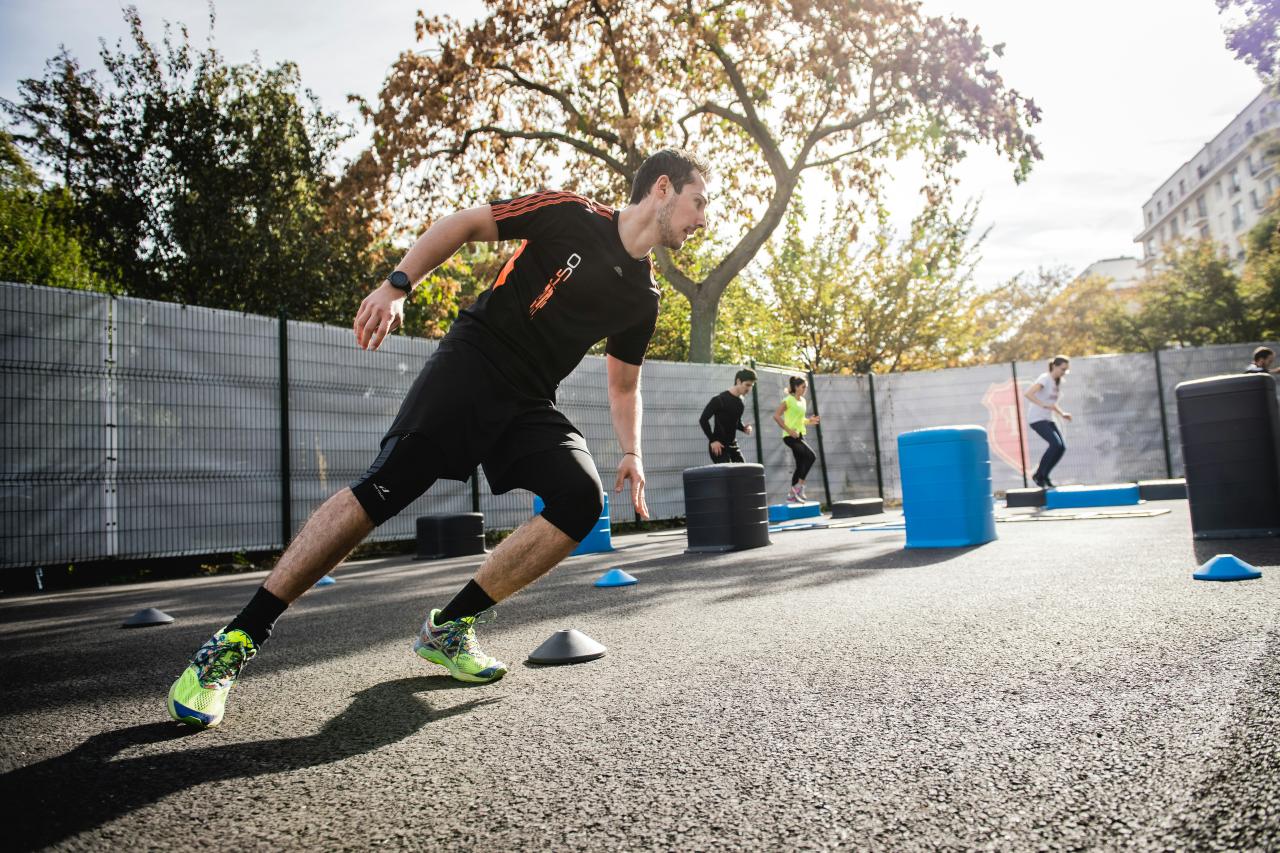
Mastering elite functional strength is a transformative journey that demands total dedication and physical intelligence. This comprehensive approach ensures that your body is prepared for the unpredictable challenges of the real world. The integration of multi-planar movements provides a level of structural protection that isolated training cannot offer. Consistency in practicing the five foundational patterns is the secret to building a powerful and resilient physique. Neurological efficiency is just as important as muscle size when aiming for truly elite levels of performance.
The mind must be trained alongside the body to handle the extreme stress of high-intensity functional exertion. Recovery is not a luxury but a fundamental component of the strength-building process that must be respected. Correcting unilateral imbalances ensures that your movements remain symmetrical and your joints stay healthy for years. Advanced core stability acts as the vital bridge between your upper body power and lower body drive. Progressive overload must be managed through careful periodization to avoid the trap of chronic overtraining.
Modern technology is providing deeper insights into how our unique biology responds to specific training loads. The ultimate goal of functional training is to achieve a state of physical sovereignty and total movement freedom. Functional strength is a lifetime pursuit that rewards those who prioritize quality of movement over ego. By training the body as a single unit, you unlock the full potential of your biological engineering and drive. Success in this field is measured by your ability to move through life with confidence, power, and grace. We are entering a new era of fitness where the boundary between athlete and machine is becoming increasingly thin. Every training session is an opportunity to refine your craft and move closer to total physical mastery.